Active Recall (the core of flashcards)
This is one of the strongest findings in cognitive psychology.
👉 Research shows that retrieving information from memory (testing yourself) produces better learning than rereading or passive review — called the retrieval practice effect.
Studies on flashcard-style learning consistently find that active retrieval improves vocabulary learning and long-term retention compared with passive repetition.
Why this matters for your site:
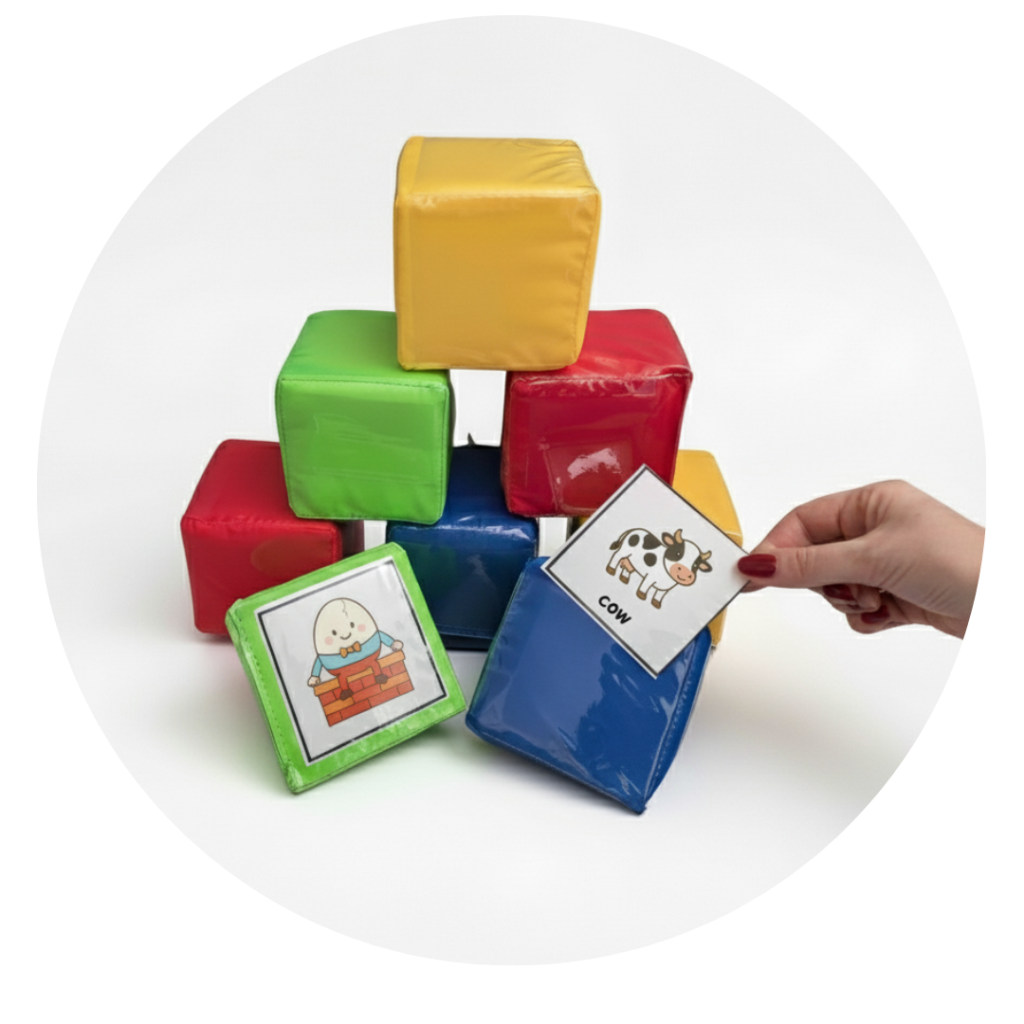
Flashcards — especially when turned into a game — force users to recall answers, which is exactly what research recommends.
Gamification & Game-Based Learning
There’s growing evidence here too.
A systematic review found gamification often increases:
- motivation
- engagement
- academic performance
A controlled study using card-based game learning even showed better short- and long-term learning outcomes compared to traditional methods.
Translation:
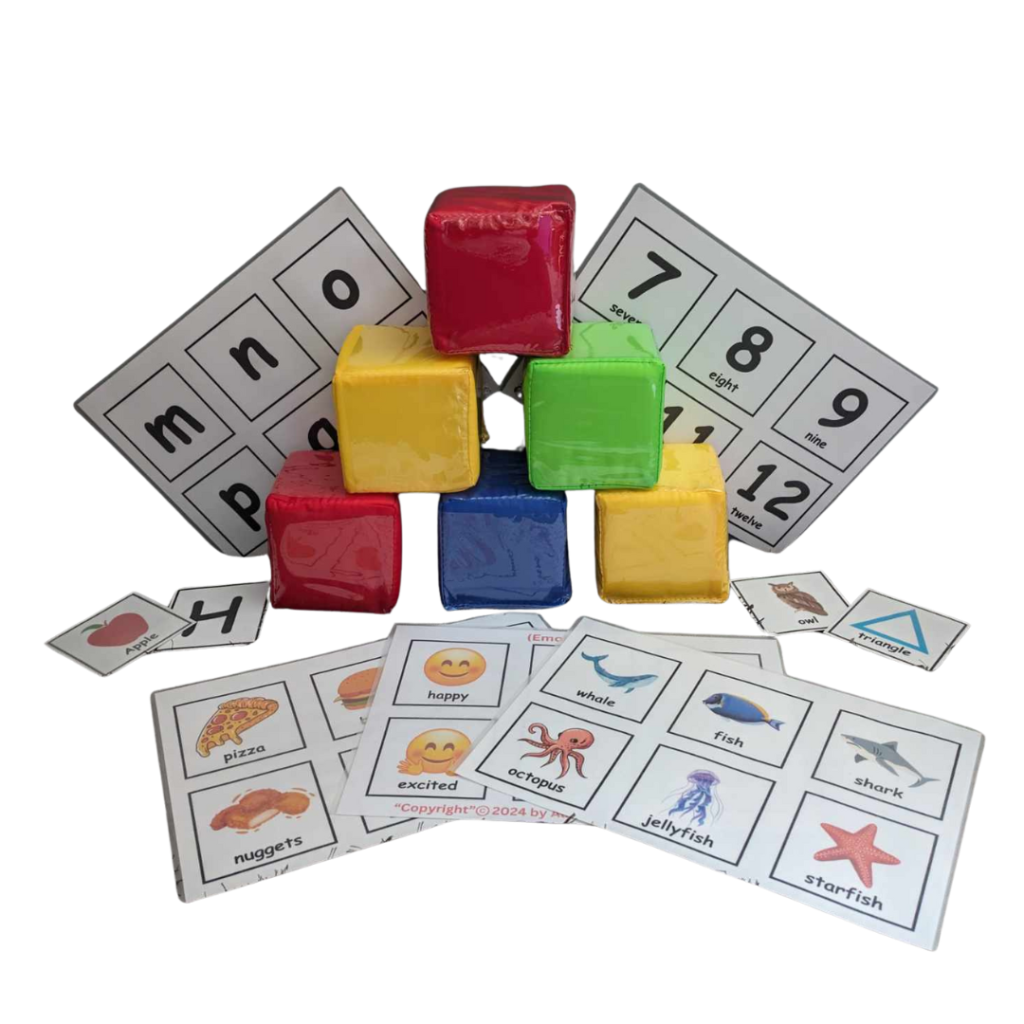
Turning flashcards into dice games isn’t just fun — research suggests game elements can improve learning outcomes.
Randomised Practice & Interleaving
This is very relevant to dice mechanics.
Educational reviews show that interleaving and varied practice improve retention and transfer of knowledge.
Randomising questions (which dice naturally do) helps prevent the brain from relying on predictable patterns — making recall stronger.
⚠️ What Research Doesn’t Directly Prove (Important!)
👉 There’s no large body of research specifically on “dice flashcards.”
The science supports the principles behind this system of using dice flashcards:
- active recall
- spaced repetition
- gamification
- varied practice
…but not the exact format of rolling dice.
✅ “Science supports the learning methods behind dice flashcards.”
Active Recall (the core of flashcards)
This is one of the strongest findings in cognitive psychology.
👉 Research shows that retrieving information from memory (testing yourself) produces better learning than rereading or passive review — called the retrieval practice effect.
Studies on flashcard-style learning consistently find that active retrieval improves vocabulary learning and long-term retention compared with passive repetition.
Why this matters for your site:
Flashcards — especially when turned into a game — force users to recall answers, which is exactly what research recommends.
Gamification & Game-Based Learning
There’s growing evidence here too.
A systematic review found gamification often increases:
- motivation
- engagement
- academic performance
A controlled study using card-based game learning even showed better short- and long-term learning outcomes compared to traditional methods.
Translation:
Turning flashcards into dice games isn’t just fun — research suggests game elements can improve learning outcomes.
Randomised Practice & Interleaving
This is very relevant to dice mechanics.
Educational reviews show that interleaving and varied practice improve retention and transfer of knowledge.
Randomising questions (which dice naturally do) helps prevent the brain from relying on predictable patterns — making recall stronger.
⚠️ What Research Doesn’t Directly Prove (Important!)
👉 There’s no large body of research specifically on “dice flashcards.”
The science supports the principles behind this system of using dice flashcards:
- active recall
- spaced repetition
- gamification
- varied practice
…but not the exact format of rolling dice.
✅ “Science supports the learning methods behind dice flashcards.”
✅ “Dice flashcards combine evidence-based learning techniques like active recall, spaced repetition, and gamification — all strongly supported by cognitive science.”✅ “Dice flashcards combine evidence-based learning techniques like active recall, spaced repetition, and gamification — all strongly supported by cognitive science.”