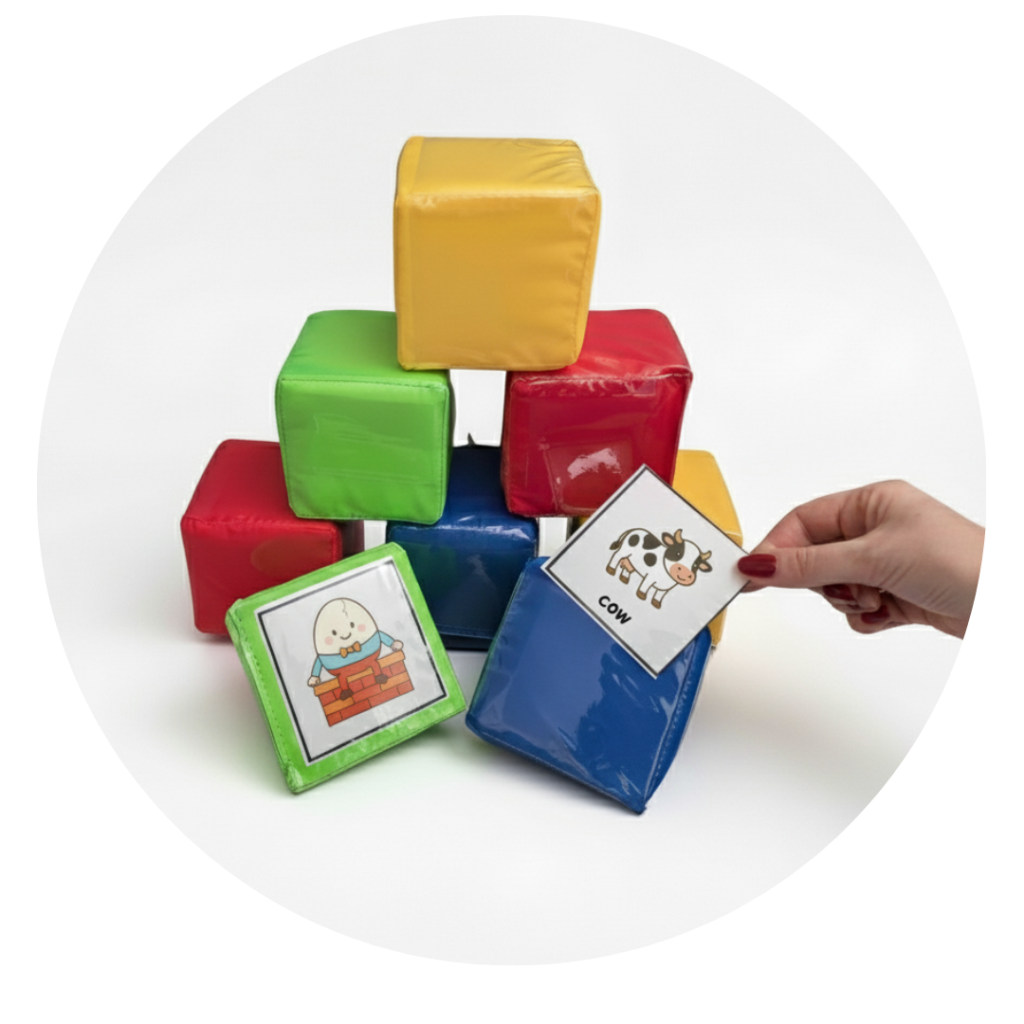
Learning at home doesn’t have to be dull or stressful — with a set of dice and flashcards, you can turn everyday learning into a playful, interactive experience for kids and adults alike. Dice flashcards combine movement, surprise, and challenge, making it easy to keep everyone engaged while practicing important skills.
How Dice Flashcards Make Home Learning Fun
Adding a dice to your flashcard routine introduces randomness and game-like elements. Instead of going through cards in order, each roll can determine which card to answer, how to answer it, or even a small action to perform. This unpredictability keeps the brain alert and makes the process feel more like play than work.
At home, dice flashcards are flexible — you can use them for solo learning through play, family game time, or small group learning. Everyone can join in, whether it’s answering questions, acting out answers, or competing to complete challenges. Read on for a game suggestion, you will need an additional dice with numbers on for some of the activities below.
Easy Dice Flashcard Games for Home
1. Roll & Answer
- How to play: Assign numbers on the die to different actions:
- 1–2: Name the image on the flashcard
- 3: Describe it in your own words
- 4: Use it in a sentence (for vocabulary)
- 5: Act it out
- 6: Teach it to someone else
- Why it works: Encourages active recall and creativity and adds fun to each turn.
2. Family Challenge
- How to play: Take turns rolling the dice. Award points for correct answers, creative explanations, or fun performances. Keep a scoreboard for light competition.
- Why it works: Makes learning social and motivational, perfect for siblings or parents and kids.
3. Dice Adventure Path
- How to play: Create a “path” of flashcards on the floor or table. Use the number flashcard dice inserts for this activity. Each dice roll moves the player forward. When they land, they name, describe or act out the image on the card.
- Why it works: Combines movement with learning, ideal for younger children who need to burn off energy.
🌟 Tips to Keep It Engaging
- Mix flashcard subjects: animals, vehicles, mini beasts.
- Rotate the rules: change dice cards and activities weekly to keep the game fresh.
- Celebrate creativity: points or applause for funny answers or clever explanations keep motivation high.
Dice flashcard games at home are a simple, low-prep way to make learning enjoyable for everyone. By adding dice, you turn revision into a playful experience that children, teens, and even adults can enjoy together — making learning time something the whole family looks forward to.