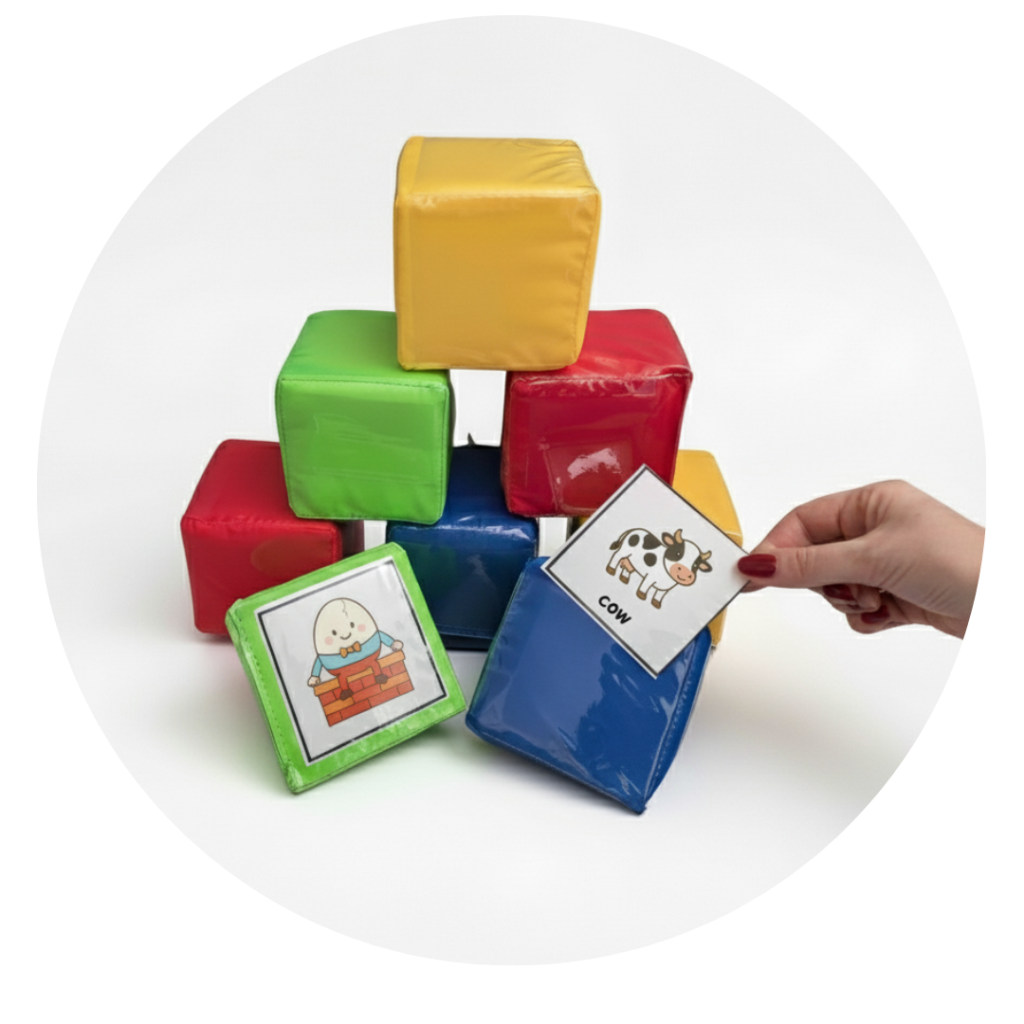
Dice flashcard games bring learning and play together in a way that naturally appeals to people of all ages. The simple act of rolling a die adds surprise and variety, turning ordinary revision into a small game rather than a chore. For younger learners, the physical movement and clear rules make studying feel like playtime, helping them stay focused longer. Teens and adults often enjoy the challenge and unpredictability, which keeps practice sessions fresh and prevents boredom from repetitive review.
They’re also flexible — the same basic idea can be adapted for quick solo study, friendly competition, or family learning sessions. Because dice introduce chance, no two rounds feel exactly the same, encouraging curiosity and motivation to keep going. This mix of structure (flashcards) and fun randomness (dice) makes the experience engaging, social, and accessible, which is why dice flashcard games can work just as well in classrooms, at home, or during personal study time.
Read on to find out more about what to consider when creating a learning environment and some top tips!
For children in a learning environment/setting
🌿 Quiet 1:1 Learning Stations
- Neutral table mat to define the foam-dice activity area
- Use soft lighting (lamp instead of bright overhead lights where possible)
- Provide a visual “start–finish” tray so learners see clear structure
- Include using a now and next board
- Optional noise-reducing headphones
- Use other visual support alongside your speech such as Makaton signs and symbols
👥 Small Group Table Setups
- Semi-circle table with only essential materials visible
- Dice rolled into a shallow tray or box lid to reduce movement of dice
- Visual rule cards placed flat rather than on busy displays
- Include using a now and next board
- Optional noise-reducing headphones
- Use other visual support alongside your speech such as Makaton signs and symbols
- Use visual and sign/gesture prompts to support turn-taking
🧺 Circle Time Adaptations
- Use a soft rug with individual seating spots (dots or cushions)
- One central “dice mat” rather than passing dice around constantly
- Assign a calm “dice helper” role to collect the dice if it rolls too far away
- Use other visual support alongside your speech such as Makaton signs and symbols
- Use visual and sign/gesture prompts to support turn-taking
- Optional noise-reducing headphones
- Use other visual support alongside your speech such as Makaton signs and symbols
🪑 1:1 Support Area
- Side table away from busy entrances or busy rooms
- Neutral coloured tablecloth
- A large lid or box top to roll dice in to reduce movement of dice
- Clear written and visual prompts support for each dice
- Allow choice of standing or seated positions
- Optional noise-reducing headphones
- Use other visual support alongside your speech such as Makaton signs and symbols
🤝 Small Social Groups
- Round table with 3–4 participants maximum
- Use larger foam dice for easy grip without loud impact
- Provide predictable turn-taking visuals
- Keep background music off or very low
- A large lid or box top to roll dice in to reduce movement of dice
- Clear written and visual prompts support for each dice
- Allow choice of standing or seated positions
- Optional noise-reducing headphones
- Use other visual support alongside your speech such as Makaton signs and symbols
🧠 Structured Activity Zones
- Divide the room into “active” and “quiet focus” areas
- Foam dice activities stay only in the quiet zone
- Use neutral-coloured screens or shelves as visual boundaries
- A large lid or box top to roll dice in to reduce movement of dice
- Clear written and visual prompts support for each dice
- Allow choice of standing or seated positions
- Optional noise-reducing headphones
- Use other visual support alongside your speech such as Makaton signs and symbols
🏡 At Home (Children or Adults)
🛋️ Calm Tabletop Areas
- Dining table sectioned with a placemat to signal “learning time”
- Reduce background TV noise or even better, turn off noise completely.
- Keep only one dice, one set of flashcards and one instruction card visible at a time unless otherwise stated for an activity.
- Neutral coloured tablecloth
- A large lid or box top to roll dice in to reduce movement of dice
- Clear written and visual prompts support for each dice
- Allow choice of standing or seated positions
- Optional noise-reducing headphones
- Use other visual support alongside your speech such as Makaton signs and symbols
🧸 Floor-Based Calm Spaces
- Soft rug + cushion + low tray for rolling dice
- Use wall-facing position for reduced distractions
- Storage basket nearby so materials aren’t scattered
🕯️ Environments for learning
- Natural light where possible
- Soft, neutral colours rather than bright themed décor
- Timer or sand timer to give predictable endings
🧍♀️ Supporting Different Interaction Styles
✔️ 1:1 With a Child or Adult
- Sit at a 90-degree angle instead of directly opposite (less pressure)
- Roll dice into a tray to control sound and movement
- Offer multi-modal support, for example, Makaton signs, symbols and verbal instructions
👨👩👧 Group Circle Time
- Use foam dice so everyone can see without crowding
- Pre-teach rules visually to reduce verbal overload
- Keep movement predictable (roll → action → reset)
👩⚕️ Adult Group at a Day Centre
- Build routine: greeting → dice activity → calm closing
- Allow choice cards (“roll”, “watch”, “pass”) to support autonomy
- Maintain slower pacing with pauses between turns